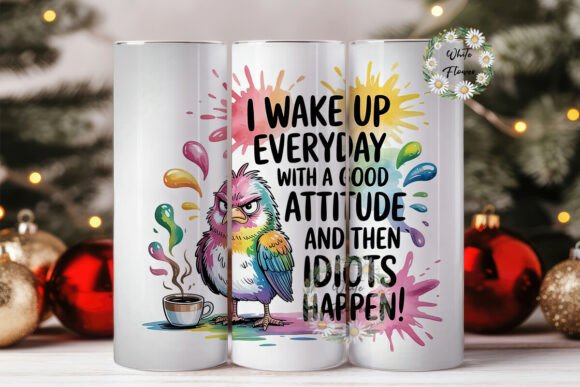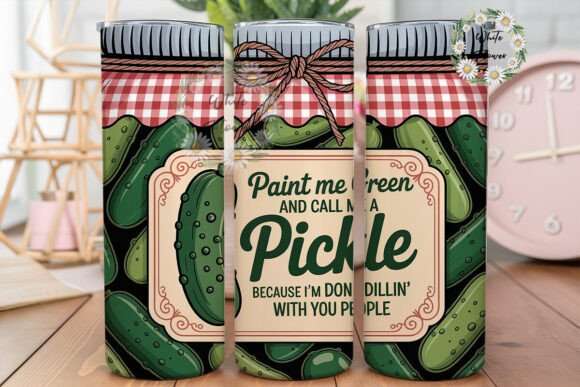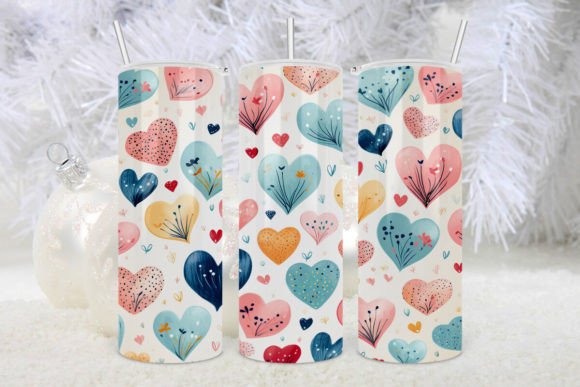
Digital 90s Cartoon Tumbler Wrap
First Impressions: A Nostalgic Spark—But Is It Embroidery-Ready?
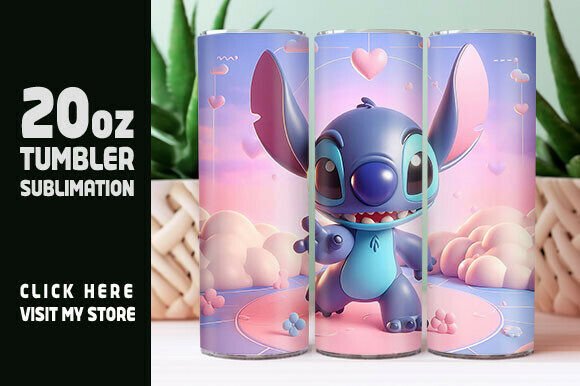
When I opened Digital 90 s Cartoon Tumbler Wrap, 90s T, my first thought wasn’t “cute” or “vibrant”—it was “wait, how would this translate in thread?” The PNG shows bold outlines, chunky retro lettering, and exaggerated cartoon motifs—think pixel-perfect winks, zigzag borders, and that unmistakable mid-90s energy. It’s undeniably fun, but as someone who’s stitched hundreds of client projects—from boutique baby onesies to Etsy holiday bundles—I paused. This isn’t a vector embroidery file; it’s a raster graphic sized for tumblers (9.3 × 8.2 inches). That means before it becomes an embroidered patch, tote bag design, or sweatshirt front, it needs thoughtful adaptation—not just scaling.
Where It Shines: Projects That Lean Into Its Personality
I tested the concept on a few real-life scenarios. For a custom embroidered apron for a local coffee shop’s 90s-themed pop-up, the design’s high-contrast shapes held up beautifully when digitized into clean satin stitch borders and bold fill-stitch zones. On a medium-weight cotton twill tote bag, the cartoon energy translated directly into buyer engagement—the shop owner reported three repeat requests for matching caps. As a machine embroidery design for nursery decor? Less ideal. The fine line work around facial features and tiny accessory details (like sunglasses or cassette tape icons) risked blurring on soft knit baby fabric without careful redigitizing and reduced stitch density.
- Strong fits: Sweatshirt embroidery (front chest or back panel), embroidered patch production, kitchen towel designs, holiday embroidery on canvas totes, small-batch boutique branding
- Moderate fits: Cap fronts (with simplified inner elements), pillow covers on linen-cotton blends, personalized gifts where nostalgic charm outweighs technical precision
- Cautious fits: Baby embroidery on thin interlock, stretchy performance fabrics, dark fabric without underlay adjustment, curved surfaces like baseball caps without distortion compensation
What You’ll Need to Do Before Stitching
This isn’t plug-and-play embroidery. Since Digital 90 s Cartoon Tumbler Wrap, 90s T arrives as a single PNG, you’ll need to convert it into a true embroidery file—or hire a digitizer who understands retro line weight and intentional “imperfection.” I recommend starting with a printable mockup to assess proportions on your intended product: does that 9.3-inch width overwhelm a standard tote bag? Does it sit comfortably centered on a 12-inch hoop for sweatshirt embroidery? Test the design on scrap fabric first, using your usual stabilizer stack. Pay close attention to areas with tight corners and overlapping shapes—those are where thread tension and stitch density can make or break clarity.
Thread colors matter more here than with minimalist designs. The original PNG relies on flat, saturated color blocks—so choose high-contrast thread pairings (e.g., neon yellow fill with black satin border) to preserve legibility. And always preview in black and white: if the silhouette collapses or details vanish without color cues, simplify before stitching.
Commercial Use & Customer Trust
As an Etsy seller and small shop product developer, I’ve learned customers don’t just buy nostalgia—they buy confidence in execution. When Digital 90 s Cartoon Tumbler Wrap, 90s T appears on a finished product, buyers expect crisp edges, balanced density, and wear-tested durability. That means confirming licensing before selling finished items or digital products. If you’re offering this as part of a craft business bundle, clarify whether your customers receive permission to embroider and resell physical goods—not just personal use. Ambiguity erodes trust fast.
It also affects perceived value. A well-executed version on a heavyweight organic cotton sweatshirt reads as intentional, curated, and professional. The same design stitched too densely on cheap poly-blend fabric reads rushed—even if the source graphic is strong. That gap between digital asset and finished product is where your expertise lives.
Design Notes Every Embroidery Designer Should Keep Handy
- Check hoop size compatibility early—this design’s dimensions suggest it’s best suited for 5×7 inch hoops or larger, especially for full-detail execution
- Review fabric texture: textured weaves (like burlap or heavy linen) may obscure fine lines; smooth cotton or twill gives cleaner results
- Use cutaway or tear-away stabilizer depending on stretch—never skip stabilizer on curved or layered garments
- Inspect small details at 200% zoom: if eyes, teeth, or tiny logos look muddy in the PNG, they’ll vanish in thread
- Compare light and dark fabric backgrounds in mockups—some cartoon elements rely on contrast that won’t survive on navy or charcoal without underlay or outline reinforcement
- Confirm whether the design works for both personal and commercial embroidery projects—check license terms before listing on Etsy or bundling for craft fairs
A Final Thought for Creative Entrepreneurs
Digital 90 s Cartoon Tumbler Wrap, 90s T isn’t just a graphic—it’s a mood, a memory, and a marketing hook. But its real strength emerges not in the PNG file itself, but in how thoughtfully you translate it into thread, texture, and tactile experience. I recently used a simplified version (re-digitized with open satin fills and reinforced outlines) on a limited-run batch of embroidered tea towels for a gift shop—and every customer asked where the “cartoon vibe” came from. That’s the power of getting it right: not flashy, not over-engineered, but authentically, confidently made.
If you’re evaluating this for your craft business, Etsy store, or next client project, treat it like raw material—not a finished solution. Respect its energy, honor its era, and invest the time to adapt it properly. That’s how a tumbler wrap becomes more than drinkware decoration—it becomes a signature piece in your portfolio of handmade product, personalized gift, and commercial embroidery work.