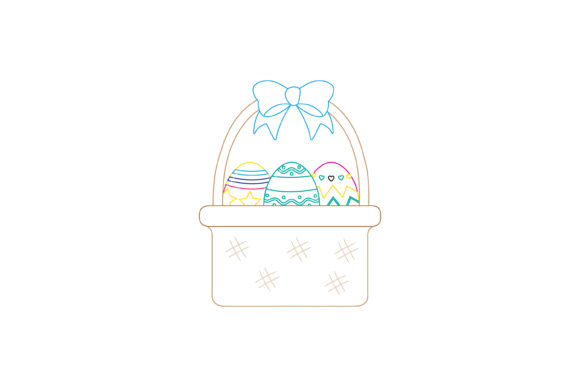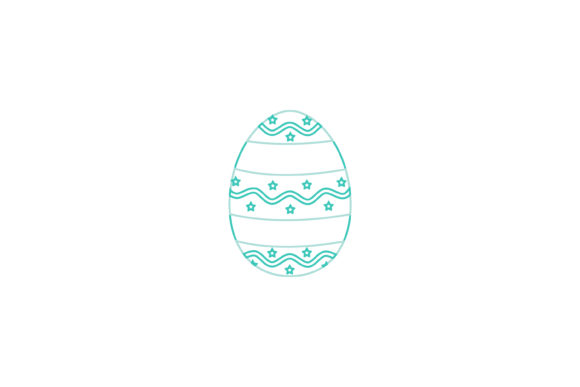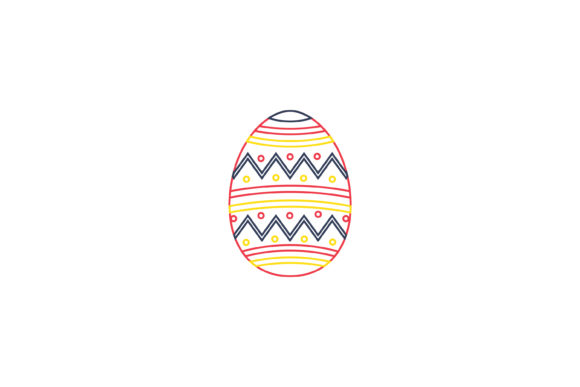
Easter Egg Yellow Line Color Line
As an embroidery designer with years of experience, I always start by evaluating a new design based on its visual impact, practicality, and how it translates to real-world stitching. The Easter Egg Yellow Line Color Line is a unique piece that brings a fresh, playful energy to any project. Its clean lines and soft yellow tones evoke a sense of warmth and whimsy, making it ideal for springtime or Easter-themed items.
First Impressions: A Design That Speaks Softly
The first thing I notice about the Easter Egg Yellow Line Color Line is its simplicity. It’s not overly complex, but it has a clear visual personality. The color—bright yet subtle—creates a cheerful mood that can easily be incorporated into various projects. The layout is balanced, with enough detail to stand out without overwhelming the eye. This makes it perfect for small, intricate designs where clarity matters.
This design feels like it belongs in a handmade shop or a boutique product line. It has the kind of charm that appeals to both children and adults, which is great for personalized gifts or seasonal items. The overall aesthetic is modern yet nostalgic, giving it a timeless quality that can work across different styles.
Real-World Embroidery Performance
When I think about how the Easter Egg Yellow Line Color Line would perform in actual embroidery situations, I consider a few key factors. For instance, if I were working on a custom embroidered tote bag or a sweatshirt, this design would add a nice touch without being too busy. It could also work well as a baby item, such as a onesie or a blanket, where softness and simplicity are important.
One of the strengths of this design is its versatility. It can be used in t-shirt designs, patches, aprons, and even pillow covers. The file is vector-based, which means it’s openable, editable, and resizable without losing quality. That’s a big plus for designers who need flexibility in their workflow.
However, there are some limitations. If I were to use this design on a small hoop, I’d need to be careful with the details. Tiny elements might not hold up well, especially on textured or stretchy fabrics. Thin or dark materials could also make the yellow line less visible, so I’d want to test it on different fabric types before committing to a full project.
Where to Use It Carefully
While the Easter Egg Yellow Line Color Line is great for many applications, there are situations where it might not perform as well. On curved surfaces like caps or hats, the design could get distorted if not properly adjusted. Similarly, on products that require frequent washing, the stitch density and thread color contrast become more critical.
I’d also advise caution when using it on layered garments or in dense stitch areas. The design’s simplicity might not hold up under heavy coverage, and it could look lost in a more complicated composition. For decorative accents, it’s better suited for smaller, more defined spaces rather than large fill areas.
Impact on Visual Appeal and Customer Perception
When it comes to visual appeal, the Easter Egg Yellow Line Color Line adds a pop of color that can elevate a basic design. It’s not flashy, but it’s eye-catching enough to draw attention. This makes it a good choice for handmade products that need a little extra flair without being over-the-top.
Stitching clarity is another factor. Since the design is clean and minimal, it should translate well into machine embroidery. However, I’d recommend testing it on scrap fabric first to ensure the lines are sharp and the colors stand out. This is especially important for commercial embroidery projects where consistency is key.
From a customer perspective, this design could help build trust in a handmade product. It shows attention to detail and a thoughtful approach to design, which can make a big difference in buyer engagement. Whether it’s a personalized gift or a small shop merchandise item, the Easter Egg Yellow Line Color Line has the potential to enhance the overall presentation.
Practical Designer Notes
Before finalizing any project with the Easter Egg Yellow Line Color Line, I always suggest testing it in a few different scenarios. This includes checking how it looks on black and white mockups, comparing it against light and dark fabric backgrounds, and ensuring the thread colors contrast well. These steps can prevent unexpected issues down the line.
Another thing to consider is the stabilizer. Depending on the fabric type, you may need to use a different kind of stabilizer to keep the design from puckering or distorting. This is especially true for thin or stretchy materials where the design could lose its shape during stitching.
Lastly, if you’re planning to sell finished items or digital products, make sure to confirm the licensing terms. Even though the file is vector-based and editable, it’s important to understand what you’re allowed to do with it commercially. This will help avoid any legal complications later on.
Conclusion: A Versatile and Thoughtful Design
The Easter Egg Yellow Line Color Line is a design that offers both style and functionality. It’s well-suited for a wide range of embroidery projects, from custom apparel to holiday gifts. While it has some limitations in certain situations, its clean lines and soft color make it a valuable addition to any designer’s toolkit.
For small business owners, Etsy sellers, and crafters, this design can be a great asset when creating personalized products or boutique items. It’s the kind of piece that can be adapted to fit different needs while maintaining its core identity. With proper testing and consideration, the Easter Egg Yellow Line Color Line can bring a lot of value to your embroidery projects.