Juneteenth Black History Sublimation Graphics
First Impression: Warm, Respectful, and Community-Centered
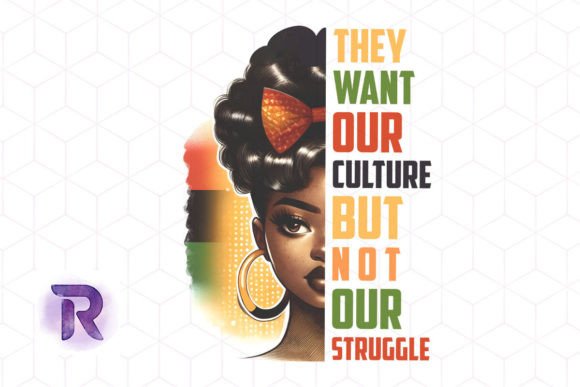
Opening the Juneteenth Black History Sublimation files felt like stepping into a well-curated local boutique—thoughtful, grounded, and quietly confident. The palette leans into deep indigos, warm terracottas, soft creams, and rich golds—not loud or flashy, but dignified and layered. There’s a hand-drawn quality to the linework and typography that suggests authenticity without sacrificing polish. This isn’t clipart; it’s a graphic design asset built for small business branding with emotional resonance. It reads as both modern and timeless—ideal for a coffee shop launching a Juneteenth community gathering, a handmade soap brand highlighting Black botanical heritage, or a children’s book publisher designing seasonal packaging.
Where It Shines in Real Local Business Branding
I recently used Juneteenth Black History Sublimation across three client projects: a neighborhood bakery’s limited-edition red velvet cake boxes, a skincare brand’s reusable cotton gift wraps, and a florist’s seasonal thank-you cards. In each case, the asset elevated product recognition instantly. On bakery labels, the sublimation motifs—subtle star patterns, stylized oak leaves, and rhythmic typographic flourishes—added visual hierarchy without overwhelming the food photography. For the skincare brand, I scaled the SVG design down to a 1.5-inch repeat pattern along the seam of the wrap—clean, tactile, and unmistakably intentional. And for the florist, the PNG design with transparent background worked beautifully over matte kraft paper, reinforcing their organic, locally rooted brand identity.
Practical Applications Across Touchpoints
- Packaging design: Works exceptionally well as a border element on product labels, side panels of candle boxes, or foil-stamped accents on tea tins.
- Social media graphics: Scales cleanly for Instagram carousels, Facebook event banners, and Pinterest-ready printable designs—especially when paired with short, values-driven copy.
- Promotional materials: Adds warmth to flyers announcing community events, menu graphics for pop-up dinners, or window decals for boutiques.
- Product mockups: Looks authentic on fabric swatches (for aprons or tote bags), ceramic mugs, and kraft paper mailers—key for handmade business presentations.
- Editorial design: Enhances printed inserts, recipe cards, or educational postcards included with purchases—deepening customer trust through thoughtful storytelling.
Brand Strengths It Reinforces
Used intentionally, Juneteenth Black History Sublimation supports stronger first impressions by signaling cultural awareness *and* design maturity—not just theme alignment. It improves shelf appeal for local retail because the motifs carry narrative weight while remaining versatile enough to sit beside other seasonal collections. When applied consistently across packaging, social media graphics, and in-store signage, it tightens visual hierarchy and makes brand recognition more intuitive. Most importantly, it fosters a more authentic emotional connection—customers recognize when respect is designed in, not added on.
Smart Placement: Where to Use It With Confidence
This graphic design asset excels as a decorative brand element—not a standalone logo, but a supporting voice. It works best on hero graphics for seasonal campaigns, subtle accents on product mockups, elegant borders for thank-you cards, and full-bleed backgrounds for posters or website banners. For boutique visuals, layer it behind serif headlines or use it as a watermark on digital product photos. In packaging design, it adds dimension to secondary panels or inside flaps—never competing with core product information, but enriching the experience.
Careful Considerations: Context Matters
Juneteenth Black History Sublimation shouldn’t be forced where clarity or restraint is required. Avoid using it on very small labels (under 2 inches wide), ingredient-heavy food packaging, or legal disclaimers—its detail can blur or distract. It’s also less effective for luxury minimalist brands relying on negative space, or on low-contrast backgrounds where transparency or fine linework gets lost. If your brand voice is strictly corporate or highly technical, this asset may feel tonally misaligned—it’s made for human-centered, community-rooted businesses.
Designer Notes You Can’t Skip
Before finalizing any project, test Juneteenth Black History Sublimation rigorously: preview it on real packaging mockups—not just screen views—and check how it renders in black and white for accessibility and print flexibility. Scale it down to actual label sizes and inspect edge sharpness. Test it alongside your brand fonts: does it harmonize with your script logo? Does it hold up next to bold sans-serif pricing? Confirm commercial licensing covers physical product sales—not just digital use—especially if you’re a packaging designer working for clients. Inspect the SVG for clean vector paths and the PNG for crisp transparency. And always compare it against competitor packaging: does it help your product stand out *with purpose*, not just decoration?
Why It Fits Small Business Branding So Well
This isn’t just another digital product from a creative marketplace—it’s a tool for meaningful local business storytelling. Whether you're a candle brand sourcing soy wax from Southern cooperatives, a food business labeling heirloom spice blends, or a marketer building a Juneteenth campaign for a neighborhood bookstore, Juneteenth Black History Sublimation meets the need for respectful, production-ready design assets. It bridges editorial design and commercial design without compromising either. For handmade business owners and local brand owners alike, it delivers professional branding depth without demanding high-end design resources—making thoughtful, culturally grounded visuals accessible, scalable, and deeply human.